“The biggest public health crisis you've never heard of.”
— Kofi Annan, Former UN Secretary-General
Every year, over 15 million people are affected by venomous animal contact (VAC). From the common bee sting to the world's deadliest snakebites and jellyfish stings, envenoming carries a global health burden comparable to major cancers, yet it remains hidden in the shadows of public health.
Venomous Animal Contact (VAC):
15M
Annual incidence
(New events)
6M
Global prevalence
(Living with impact)
80K
Deaths
Living alongside venom: A global reality for 6 billion
While nearly every continent is home to venomous species, certain islands like Ireland, Hawaii, and New Zealand are famously free of native land snakes. However, "snake-free" does not mean "venom-free." Even in these locations, the risk of envenoming persists through everyday encounters with bees, wasps, and ants.
Because the vast majority of the global population lives in close proximity to stinging insects, exposure is almost universal. Research indicates that over 94% of people will experience at least one envenoming event in their lifetime, most commonly a minor but painful sting from a member of the Hymenoptera order (bees, wasps, or ants).
These encounters account for the majority of the 15.5 million annual incident cases of "Venomous Animal Contact" (VAC). However, the profile of this crisis shifts when we look at our shared environment with more dangerous species. Approximately 6 billion people, over 75% of the global population, live in regions where they share their landscape with medically significant venomous snakes.
This geographic overlap results in 3 to 4 million severe envenomings annually from snakes, scorpions, and marine life. While the annual death toll stands at 80,000, the global prevalence tells a broader story: over 6 million people are currently living with the long-term physical and psychological consequences of these encounters.
Of the recorded fatalities, snakebites account for the vast majority (approximately 63,000), followed by scorpion stings (approximately 3,500). Although most Hymenoptera stings result in only local pain, they can be life-threatening for individuals with hypersensitivity; global estimates suggest that anaphylaxis causes between 3,000 and 5,000 deaths annually. The remaining fatalities are caused by marine animals, such as jellyfish and stonefish and, more rarely, other arthropods including spiders, caterpillars, and centipedes.
The Data Gap: Why the Numbers are Just the Beginning
A major caveat with figures from global studies, such as those above from the Global Burden of Disease (GBD) study, is that envenoming is not a "notifiable" or reportable condition in most countries. In many regions, if a victim dies at home or is treated by a traditional healer, the event is never recorded in official hospital registries. Consequently, the statistics we use are widely considered underestimates.
Specialised, field-based studies on snakebite specifically estimate a much higher burden than official government records suggest. These studies point to:
- 2.7 million severe envenomings annually.
- 81,000 to 138,000 deaths, more than double the baseline GBD estimates.
- Over 400,000 permanent disabilities, including amputations and blindness.
A similar data gap exists for other species. Scorpion stings are estimated to reach 1.2 to 1.5 million cases annually with over 3,000 deaths, primarily among small children who are significantly more susceptible to venom due to their lower body mass.
Years of life lost: measuring the true human cost
When it comes to understanding the impact of a disease from a public health perspective, we must look beyond just the death toll. We also measure the years of life lost to premature death and the years spent living with a disability.
DALYs (Disability-Adjusted Life Years) measure the impact of diseases on a common scale, taking into account the age of those affected and the long-term consequences of their injuries. By this metric, Venomous Animal Contact (VAC) is a major global public health issue. According to GBD figures, VAC causes approximately 4.02 million DALYs annually, a global health impact comparable to well-known conditions such as prostate cancer, cervical cancer, multiple sclerosis, and Parkinson’s disease.
It is important to remember that these GBD figures are considered conservative. When we apply the data from specialised, field-based studies into snakebite mortality (using the higher estimate of 138,000 deaths), the true impact could be as high as 6 to 8 million DALYs from snakebite alone. What is clear is that even by the most conservative estimates, envenoming remains one of the world's deadliest and most neglected tropical diseases.
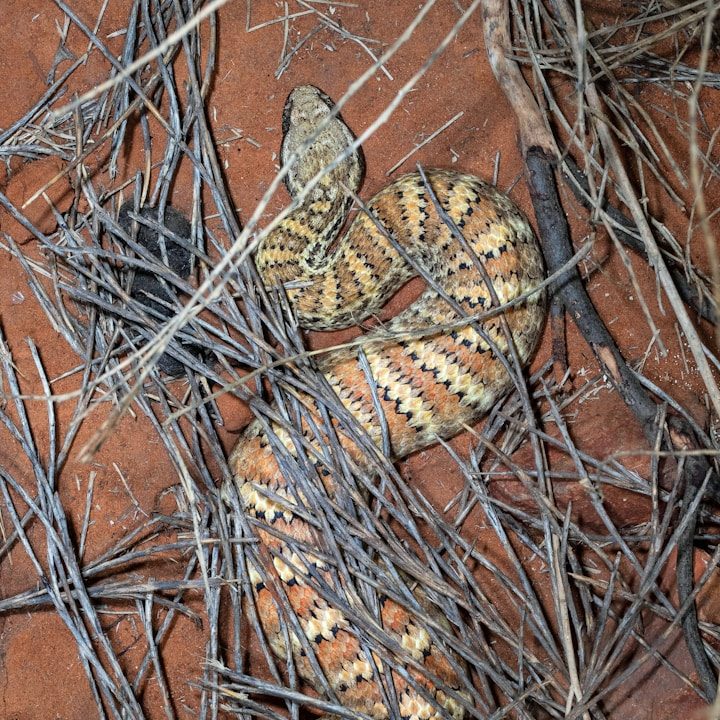
Snakes:
3M DALYs
Snakebite envenoming is one of the most severe forms of venomous contact, often resulting in catastrophic long-term consequences such as limb amputation, blindness, and chronic kidney failure. Because victims are frequently young agricultural workers or children, a single fatality can represent over 60 years of lost human potential.
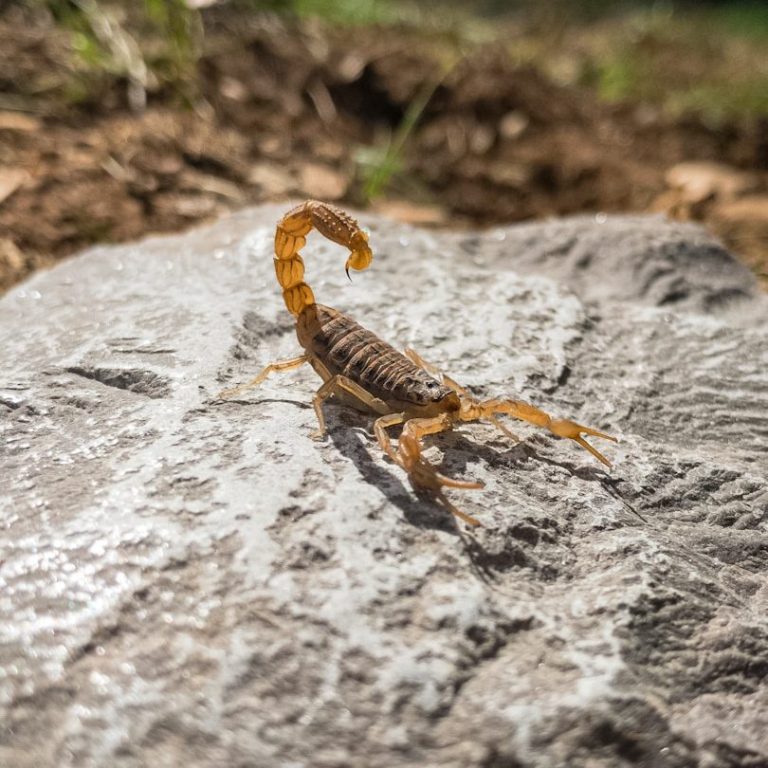
Scorpions:
400-500K DALYs
While millions are stung by scorpions annually, the public health burden is uniquely concentrated. Because of their lower body mass, small children are the most susceptible to severe systemic failure and death from scorpion venom. This heavy impact on the youngest populations drives a disproportionately high DALY figure, as it robs children of nearly their entire life expectancy.
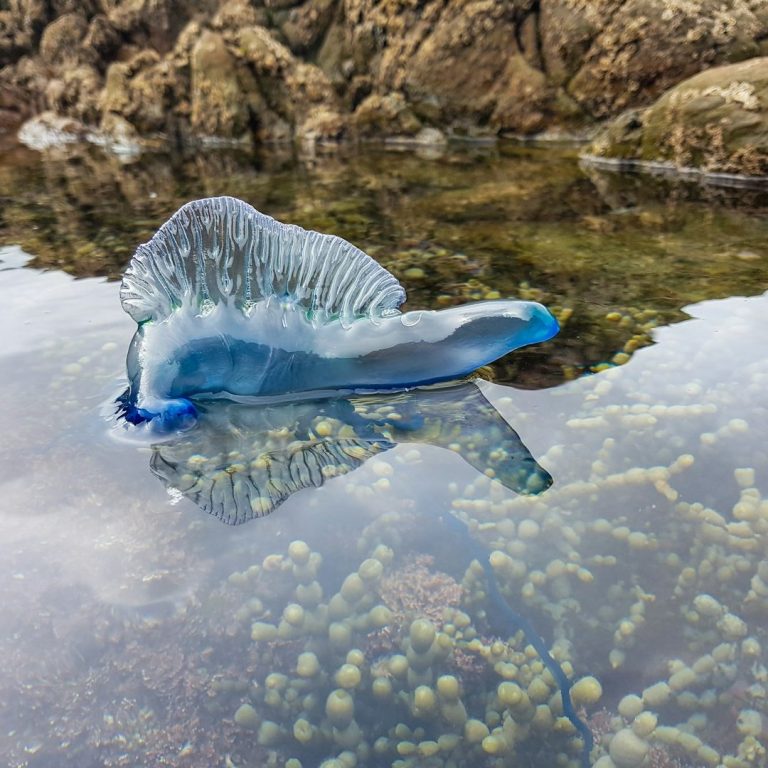
Marine & Other:
350K DALYs
This category encompasses a wide spectrum, from life-threatening cardiac arrest caused by box jellyfish to the debilitating, slow-healing skin ulcers resulting from spider bites. These events represent a significant, though often under-reported, drain on global health and productivity.